Accessibility statement

As inclusion is Hassell Inclusion’s purpose, we are committed to making our own website usable by all people, whatever their abilities or disabilities.

This includes our website, online purchasing processes and our on-demand training videos.

Find the right assistive technology to customise this site to your needs

While our site has been created to be usable ‘as is’, many people are likely to get the most accessible experience of using the site by customising their computer, tablet or smartphone to suit their individual needs – for example: to get the site spoken to them, to change its colour scheme, or increase the size of its fonts.

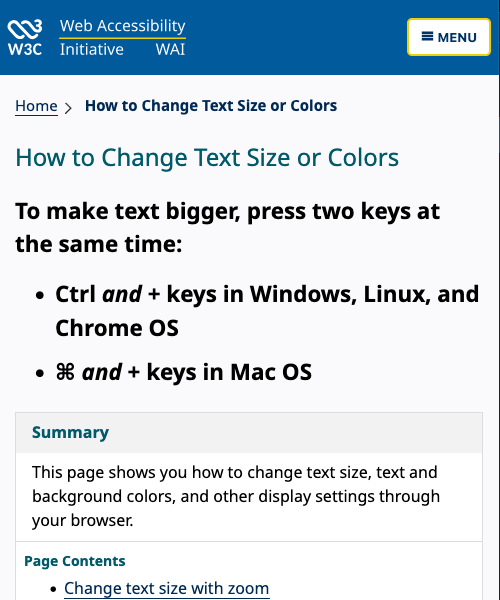
If that sounds like it would be useful to you, we recommend you visit  WAI’s How to change text size or colours (external site)  to find details of how these customisations – either using the accessibility features of your computer/tablet/smartphone or through installing assistive technologies – might suit you.

We are also planning to incorporate some accessibility customisations within this site in the future, to make it easier for people to use who cannot customise their computer, tablet or smartphone for some reason. For an example of our aim, please see the restylethis customisation tool (external site).

If you have any difficulties customising the site to your needs, please contact us.


On-demand training

We offer on-demand training on a subscription basis. Users can view the available training options and purchase a subscription online.

Subscriptions can be paid for by credit or debit card. Following a purchase, the purchaser provides the email addresses of the people who have been allocated training seats. We then provide access to those individuals, who can register or log in to access their training.

The on-demand training service uses a number of technologies and third-party services, including WooCommerce, Stripe and Vimeo.

As the service involves different systems, the accessibility of the overall experience may depend on both our own website and the third-party services we use. We will continue to monitor the accessibility of this service and address issues that are within our control.

Limitations of this site's accessibility

We’ve designed, coded and tested this site to be accessible, including providing transcripts of all podcasts and videos. We are also testing it with people with disabilities. However, you may find some accessibility limitations at present which we are working to fix:

  • we’re looking to give some links within the YouTube media player more context
  • while we always aim to communicate as clearly as possible, reading some of our blogs may require a reasonable level of technical understanding due to the technical nature of what they are about
  • where abbreviations are used, these will be amplified on first use
  • certain comboboxes during the purchase process do not currently communicate their current state to assistive technologies. This may make it difficult for screen reader users to determine whether a combobox is expanded or collapsed.
  • PDF invoices generated following an order and made available through the order confirmation and the My Account area are not currently accessible to screen reader users.

Previous fixes – the accessibility issue we had briefly with our navigation in early 2024 has now been fixed, as have some focus indication issues on HiHub, and a colour contrast issue on our cookie banner.

Please note: if you wish to get textual information from the carousels on the site, please use the transcript underneath them.

Let us know if you have difficulties

If you find anything on the site difficult to use please let us know using our Contact form.

To help us quickly understand your difficulty, it would help us if you provide the information advised in ‘Contacting Organisations about Inaccessible Websites’ in your request. All constructive feedback regarding the accessibility or usability of this website is welcome and will be carefully considered.

This statement was last updated in October 2026 and follows the advice on accessibility statements in ISO 30071-1 (which is explained in How to write an effective Accessibility Statement)